3K 240g Carbon Fiber Cloth: Complete B2B Technical & Procurement Guide
3K 240g carbon fiber cloth is one of the most widely specified woven reinforcement fabrics in the composites industry. With a 3,000-filament tow count and an areal weight of 240 g/m2, this fabric delivers an optimal balance between drapability for complex mold geometries and the mechanical stiffness that structural applications demand. As a sourcing professional at Impact Materials with over 15 years of supply-chain experience, we have seen firsthand how choosing the right fabric weight directly affects laminate quality, production cycle time, and total project cost. This guide covers everything procurement teams and design engineers need to know about 3K 240g carbon fiber cloth, from technical specifications and weave patterns to supplier evaluation criteria and international compliance standards.
What Is 3K 240g Carbon Fiber Cloth?
3K 240g carbon fiber cloth is a woven textile made from continuous carbon fiber tows, each containing 3,000 individual filaments with a nominal filament diameter of 7 microns. The fabric weighs 240 grams per square meter (often labeled as 240 GSM), which places it in the medium-weight category, lighter than 300-400 GSM heavyweight fabrics but heavier than 90-200 GSM lightweight cosmetic cloths. This weight class makes it particularly well-suited for structural layups where both strength contribution and manageable ply thickness are required.
The “3K” designation refers to the number of carbon filaments per tow. Compared to 1K (1,000 filaments) or 6K/12K alternatives, 3K tows offer a balanced cost-to-performance ratio. The resulting fabric typically achieves a tensile strength of 3,500-4,500 MPa along the fiber direction, a tensile modulus of 230-250 GPa, and an elongation at break of 1.5-1.8%, depending on the specific precursor and processing conditions used during manufacturing.
Weave Patterns: Plain vs. Twill for 3K 240g Fabric
The two most common weave styles for 3K 240g carbon fiber cloth are plain weave and twill weave, each offering distinct advantages for different manufacturing processes.
Plain Weave (1×1)
In a plain weave, each warp tow passes alternately over and under each weft tow. This produces the most stable and tightly interlocked fabric structure, with excellent dimensional stability and resistance to fiber shifting during handling and resin infusion. Plain weave 3K 240g fabric is the standard choice for flat panel production, sheet molding compound (SMC) prepregs, and applications requiring uniform fiber distribution in both directions. The tighter interlocking does, however, slightly reduce drapability compared to twill weaves, making it less ideal for deeply contoured molds.
Twill Weave (2×2)
Twill weave creates a distinctive diagonal pattern where each tow passes over two and under two opposing tows. This architecture provides superior drapability and conformability, allowing the fabric to conform to compound curves and complex tooling surfaces without excessive wrinkling or bridging. Twill weave 3K 240g fabric is widely preferred in aerospace secondary structures, automotive body panels, marine hull layups, and sporting goods such as bicycle frames and wind turbine blade skins where smooth surface finish and drape performance are critical requirements.
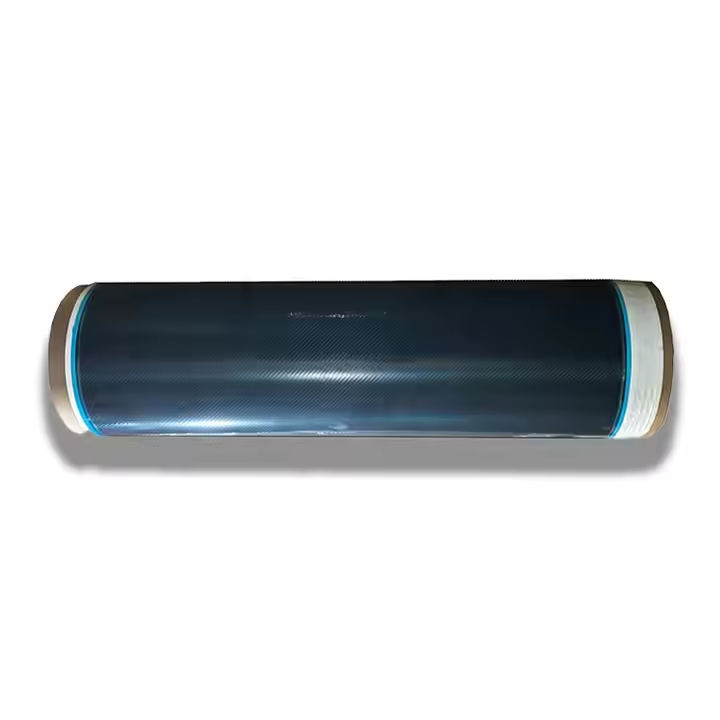
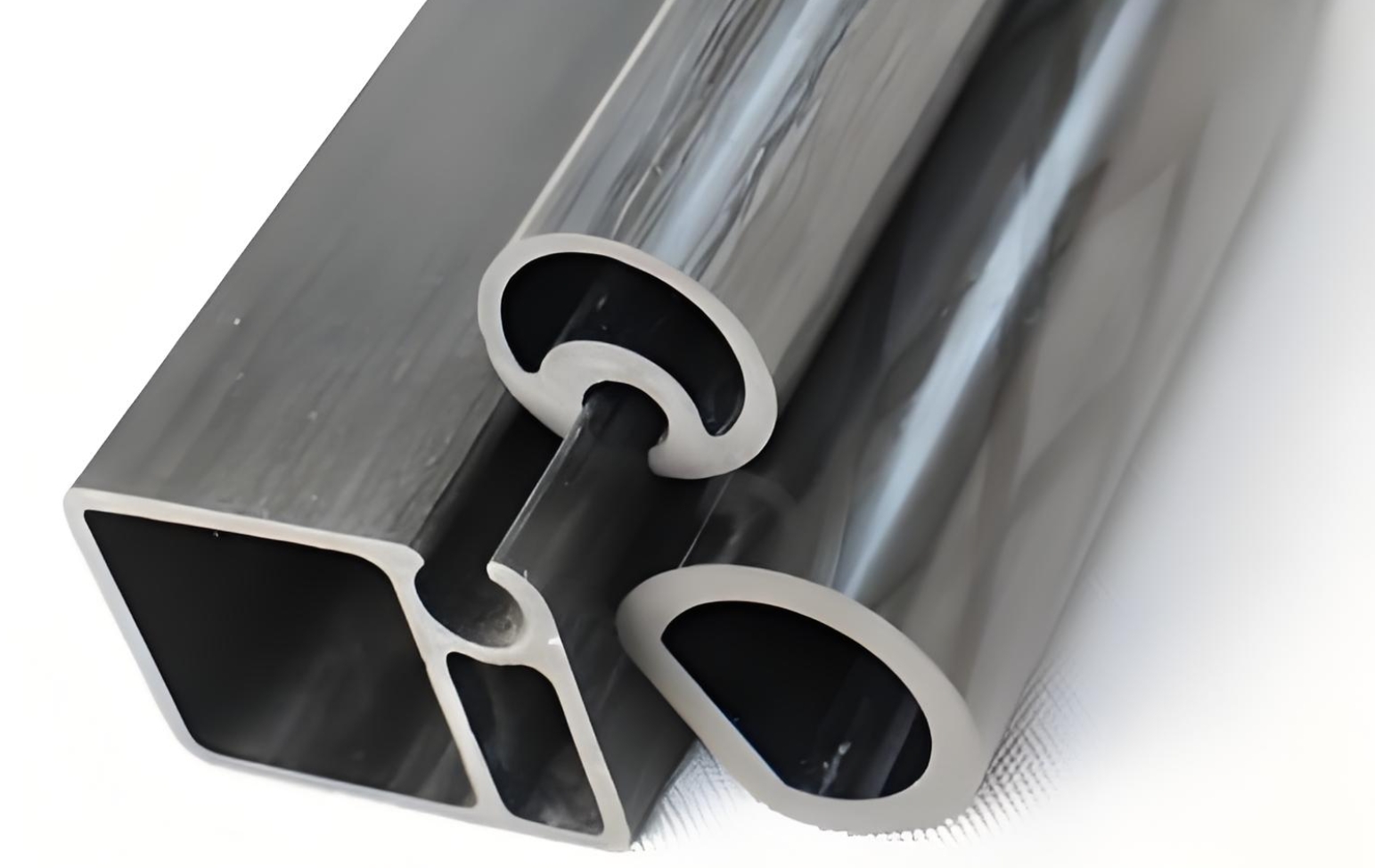
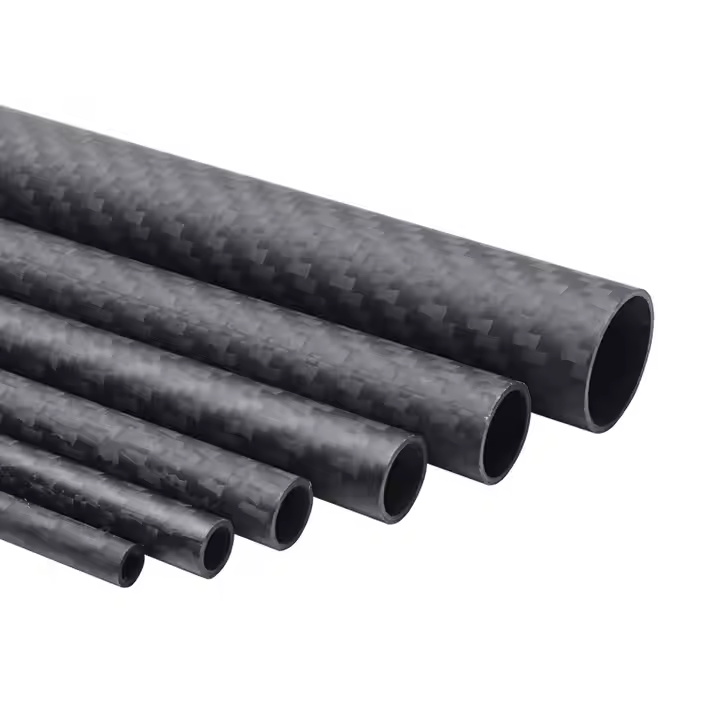
Featured 3K 240G Carbon Fiber Cloth Products
Explore our top-rated 3K 240g carbon fiber cloth products from Impact Materials, trusted by manufacturers in 120+ countries.
Technical Specifications Reference
| Property | Typical Value | Test Standard |
|---|---|---|
| Areal Weight | 240 +/- 10 g/m2 | ISO 5084 / ASTM D3776 |
| Tow Count | 3K (3,000 filaments/tow) | – |
| Filament Diameter | 7.0 +/- 0.2 microns | ASTM D3379 |
| Warp Tensile Strength | 3,500-4,500 MPa | ASTM D3039 |
| Warp Tensile Modulus | 230-250 GPa | ASTM D3039 |
| Elongation at Break | 1.5-1.8% | ASTM D3039 |
| Fiber Density | 1.76-1.80 g/cm3 | ASTM D3800 |
| Carbon Content | 93-95% | ASTM D3171 |
| Thickness (approx.) | 0.25-0.28 mm | ISO 5084 |
| Width (standard rolls) | 1000mm / 1270mm / 1500mm | – |
Need a custom solution? Our technical experts are ready to help.
Primary Applications of 3K 240g Carbon Fiber Cloth
Aerospace & Defense
In aerospace manufacturing, 3K 240g fabric is extensively used for secondary structural components including fairings, access panels, floor beams, and interior trim panels. When combined with high-performance epoxy resin systems cured in autoclave conditions (120-180 degrees C, 5-7 bar pressure), laminates produced from this fabric achieve fiber volume fractions of 58-62%, delivering exceptional specific strength and stiffness. Major aircraft programs specify 3K plain weave at 240 GSM as a baseline structural ply material.
Automotive & Motorsport
Performance automotive applications leverage 3K 240g twill weave for body panels, hoods, diffusers, and structural reinforcements. The 240 GSM weight provides sufficient thickness for wet layup and vacuum bagging processes commonly used in motorsport composite shops, while the twill pattern delivers the cosmetic carbon fiber appearance that end consumers expect. With resin transfer molding (RTM), this fabric achieves cycle times of 5-15 minutes per part, making it viable for low-to-medium volume production runs of 500-5,000 units annually.
Marine & Wind Energy
Marine hull construction and wind turbine blade production represent significant demand for 3K 240g fabric due to its compatibility with vinyl ester and polyester resin infusion processes. The 240 GSM weight allows for efficient vacuum-assisted resin transfer molding (VARTM) without excessive resin pooling or dry spots. Typical fiber volume fractions of 45-55% are achievable with proper infusion technique, providing an excellent strength-to-weight ratio for marine structural laminates that must withstand saltwater exposure and cyclic loading over decades of service.
Industrial & Sporting Goods
From bicycle frames and tennis rackets to drone fuselages and robotic arms, the sporting goods and industrial automation sectors are major consumers of 3K 240g carbon fiber cloth. The fabric’s versatility across hand layup, vacuum bagging, and compression molding processes makes it a go-to reinforcement for manufacturers requiring both structural performance and production flexibility.
Resin Compatibility & Processing Methods
3K 240g carbon fiber cloth is compatible with virtually all thermoset resin systems used in advanced composites manufacturing:
- Epoxy Resin: Preferred for aerospace and high-performance applications. Delivers the highest mechanical properties, best fiber-matrix adhesion, and lowest moisture absorption. Cure temperatures range from room temperature (ambient cure systems) to 180 degrees C (high-temperature aerospace systems). Typical resin content in finished laminates: 35-42% by weight.
- Vinyl Ester Resin: The standard choice for marine and corrosion-resistant industrial applications. Offers 80-90% of epoxy’s mechanical performance at 40-60% lower material cost. Excellent chemical and moisture resistance for marine environments.
- Polyester Resin: Used for cost-sensitive non-structural and semi-structural applications. Lowest raw material cost but reduced mechanical properties and higher shrinkage compared to epoxy or vinyl ester systems.
- Phenolic Resin: Specified for fire, smoke, and toxicity (FST) compliance in rail, aerospace interior, and architectural applications. Provides inherent flame retardancy and low smoke generation.
B2B Procurement Guide: How to Evaluate 3K 240g Suppliers
When sourcing 3K 240g carbon fiber cloth for production applications, procurement teams should evaluate potential suppliers across the following criteria:
1. Fiber Precursor Quality
The quality of the polyacrylonitrile (PAN) precursor directly determines the mechanical properties of the finished carbon fiber. Leading suppliers use Japanese-grade (Toray, Mitsubishi, Toho) or equivalent domestic PAN precursors that deliver consistent tensile strength above 4,000 MPa. Always request a Certificate of Analysis (COA) with each production lot, specifying tensile strength, modulus, elongation, carbon content, and ash content.
2. Weaving Consistency & Defect Rate
Professional-grade weaving operations maintain defect rates below 0.5% of total fabric area, with real-time optical inspection systems monitoring for missing yarns, mispicks, fuzz balls, and contamination. Request fabric inspection reports and, if possible, conduct incoming quality verification per ASTM D6429 or equivalent standards. A reputable supplier should maintain complete lot traceability from raw fiber batch through finished fabric roll.
3. International Certifications
Verify that your supplier holds relevant quality management and product certifications, including ISO 9001:2015 for quality management, and where applicable, AS9100D for aerospace supply chain compliance. For European Union markets, REACH and RoHS compliance documentation should be readily available. Material test data should reference internationally recognized standards (ISO, ASTM, EN, JIS).
4. MOQ, Lead Time & Packaging
Production MOQs for 3K 240g carbon fiber cloth typically range from 100 to 500 linear meters per weave pattern, depending on the supplier. Standard lead times are 15-30 working days for stock items and 45-60 days for custom specifications. Fabric should be shipped on sturdy cardboard cores with PE film wrapping and desiccant packets for moisture protection during ocean freight transport. Roll widths of 1000mm and 1270mm are most commonly stocked.
3K 240g vs. Other Common Fabric Weights
| Specification | 90-120 GSM | 200 GSM | 240 GSM | 300-400 GSM |
|---|---|---|---|---|
| Typical Use | Cosmetic layers, surfacing | Light structural | General structural | Heavy structural |
| Ply Thickness | 0.10-0.15 mm | 0.20-0.22 mm | 0.25-0.28 mm | 0.30-0.45 mm |
| Drapability | Excellent | Very Good | Good | Limited |
| Cycles for Same Thickness | High (many plies) | Moderate | Moderate | Low (few plies) |
| Relative Cost | Higher per kg | Moderate | Baseline | Lower per kg |
Storage, Handling & Shelf Life
Carbon fiber fabric itself has virtually unlimited shelf life when stored properly, as it is an inert material that does not degrade over time. However, proper storage conditions are essential to maintain fabric quality:
- Store in a dry, clean environment at 15-30 degrees C and relative humidity below 70%
- Keep rolls in original packaging with desiccant until ready for use
- Avoid direct sunlight exposure and contact with moisture, oils, or chemical contaminants
- Handle with clean cotton or nitrile gloves to prevent skin oil transfer
- Cut fabric using sharp rotary cutters or CNC cutting tables to minimize fiber fraying
- For prepreg versions (resin-impregnated fabric), follow cold storage requirements of -18 degrees C with out-time tracking per manufacturer specifications
FAQ: 3K 240g Carbon Fiber Cloth
What does 3K mean in carbon fiber cloth?
3K refers to the number of individual carbon filaments bundled into each tow or yarn. Each tow contains 3,000 filaments, each approximately 7 microns in diameter. This is the industry standard tow size that offers the best combination of mechanical performance, processing versatility, and cost efficiency for the majority of composite applications.
Is 240 GSM suitable for structural applications?
Yes, 240 GSM is one of the most commonly specified fabric weights for structural composite laminates across aerospace, automotive, marine, and industrial sectors. When properly combined with an appropriate resin system and consolidated through vacuum bagging, autoclave, or RTM processes, 3K 240g fabric produces laminates with excellent strength-to-weight ratios suitable for primary and secondary structural components.
What is the difference between plain weave and twill weave for 3K 240g fabric?
Plain weave offers maximum dimensional stability and is preferred for flat panels and applications requiring uniform bidirectional properties. Twill weave provides better drapability and conformability, making it the better choice for complex curved surfaces and applications where the diagonal cosmetic appearance of carbon fiber is desired. Both weave styles deliver equivalent mechanical performance when tested in accordance with ASTM standards.
How much resin do I need for 3K 240g carbon fiber cloth?
Typical fiber-to-resin ratios by weight range from 55:45 to 65:35 (fiber:resin) for vacuum-bagged laminates, and 40:60 for wet layup without vacuum consolidation. This means for every kilogram of 3K 240g fabric, you should plan for approximately 0.55-1.0 kg of mixed resin depending on your manufacturing process and target laminate quality.
Can 3K 240g carbon fiber cloth be used with infusion processes?
Yes, 3K 240g fabric is fully compatible with vacuum-assisted resin transfer molding (VARTM), resin infusion, and light RTM processes. The 240 GSM areal weight allows for adequate resin flow through the fabric stack while maintaining low void content below 1% when proper infusion technique is employed. Multiple plies can be stacked and infused in a single step for thicker laminate sections.
What is the minimum order quantity for 3K 240g carbon fiber cloth?
At Impact Materials, our standard MOQ starts from 100 linear meters per weave pattern for stock items, with flexible custom ordering available for larger production requirements. We maintain ready stock of both plain weave and twill weave 3K 240g fabric in standard widths of 1000mm and 1270mm for immediate shipment on qualifying orders.
About Impact Materials
Impact Materials (Hangzhou Impact New Materials Co., Ltd.) has been a specialized supplier of carbon fiber, aramid, and UHMWPE composite materials since 2008. With over 15 years of industry experience, we serve more than 500 customers across 40+ countries, providing a comprehensive range of reinforcement fabrics, prepregs, and finished composite products backed by ISO 9001 certified quality management and complete lot traceability from raw fiber to finished roll.
Whether you need a single roll for prototyping or container-quantity supply for production programs, our technical team can help you select the optimal fabric specification, weave pattern, and resin system for your specific application. Contact us today for competitive pricing, free sample evaluation, and dedicated logistics support for international shipments.
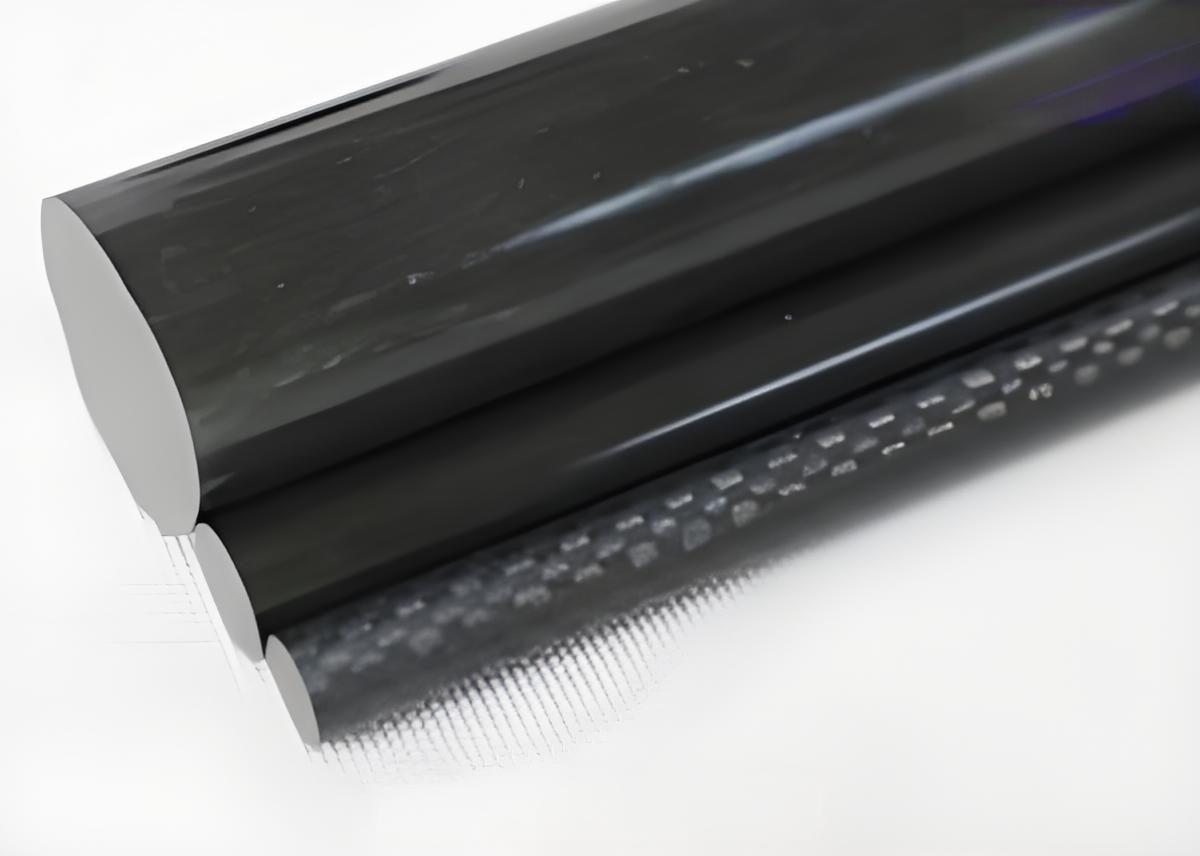
More 3K 240G Carbon Fiber Cloth Solutions
Discover additional 3K 240g carbon fiber cloth options to meet your specific project requirements.
Ready to Source Quality Composite Materials?
Impact Materials serves 120+ countries with 400+ product specifications. Get your custom quote in 24 hours.
