Ensuring Quality and Compliance in Aramid Fiber Fabric Sourcing
Aramid fiber fabric is renowned for its impressive strength-to-weight ratio and resistance to heat and chemicals, making it a staple in the aerospace, automotive, and protective clothing industries. As global demand increases at a CAGR of over 8%, understanding the nuances of quality control and compliance remains essential. This article delves into the critical aspects of quality assurance, testing protocols, and the compliance frameworks governing the use of aramid fiber fabric. At Impact Materials, we leverage over 20 years of expertise across 120 countries to guide you through these intricate requirements.
Key Takeaways
- Aramid fiber fabric can reach tensile strengths up to 3.6 GPa, suitable for high-stress applications.
- Incorporating these fibers can significantly reduce component weight, enhancing fuel efficiency.
- Meta aramid fibers withstand temperatures exceeding 400°C, ideal for fire-resistant applications.
- For reliable sourcing, prioritize suppliers with ISO 9001 certification to ensure adherence to quality standards.
Understanding Aramid Fiber Fabric: A Quality Perspective
The Foundations of Aramid Fibers
Aramid fibers, known for their strong and heat-resistant properties, are critical in fields requiring high performance under stress. Their molecular structure grants them exceptional tensile strength, with ASTM D3039 affirming values up to 3.6 GPa. Additionally, these fibers demonstrate low elongation under stress, often below 5%, ensuring robustness and dimensional stability.
- Tensile strength: up to 3.6 GPa
- Low elongation: below 5%
- Thermal stability
- Chemical resistance
Different Varieties of Aramid Fibers
Key types include meta aramid and para aramid fibers. Meta aramid fibers possess excellent fire resistance, sustaining temperatures exceeding 400°C, while para aramid fibers provide superior tensile strength, making them ideal for ballistic and reinforcement applications. For comprehensive guidance on sourcing, refer to this detailed resource on aramid fiber fabric from China.
| Fiber Type | Tensile Strength (GPa) | Temperature Resistance (°C) |
|---|---|---|
| Meta Aramid | 1.2 | 400+ |
| Para Aramid | 3.6 | 150-200 |
Quality Assurance in Aramid Fiber Fabric Applications
Aerospace Applications
In aerospace, aramid fibers are crucial due to their lightweight yet robust nature, utilized in fuselage and wing structures. The ability to reduce component weight by up to 30% not only enhances fuel efficiency but also increases payload capabilities. Suppliers must adhere to strict aerospace standards like EN 2566 to ensure compliance and reliability.
Automotive Industry Standards
The automotive sector benefits from aramid fibers in structural reinforcements and safety components. Products such as para aramid pulp enhance friction materials like brake pads. Compliance with ISO standards ensures these materials meet stringent safety and performance requirements.
Highlighted Aramid Fiber Fabric Products
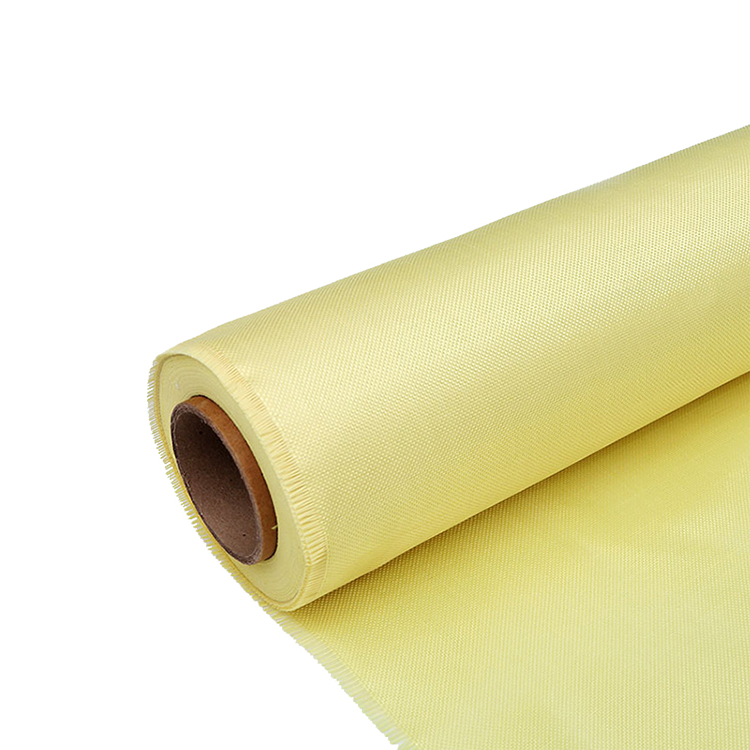
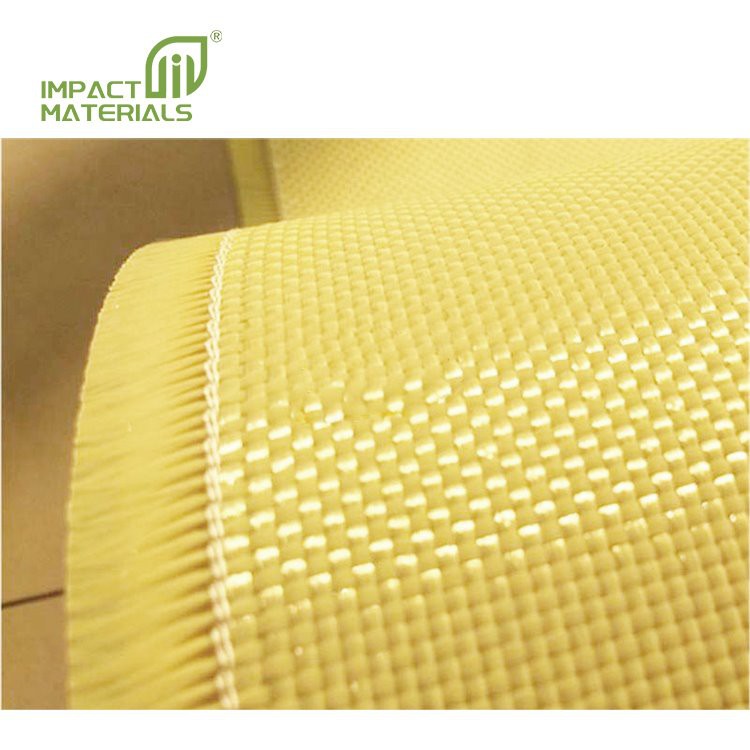
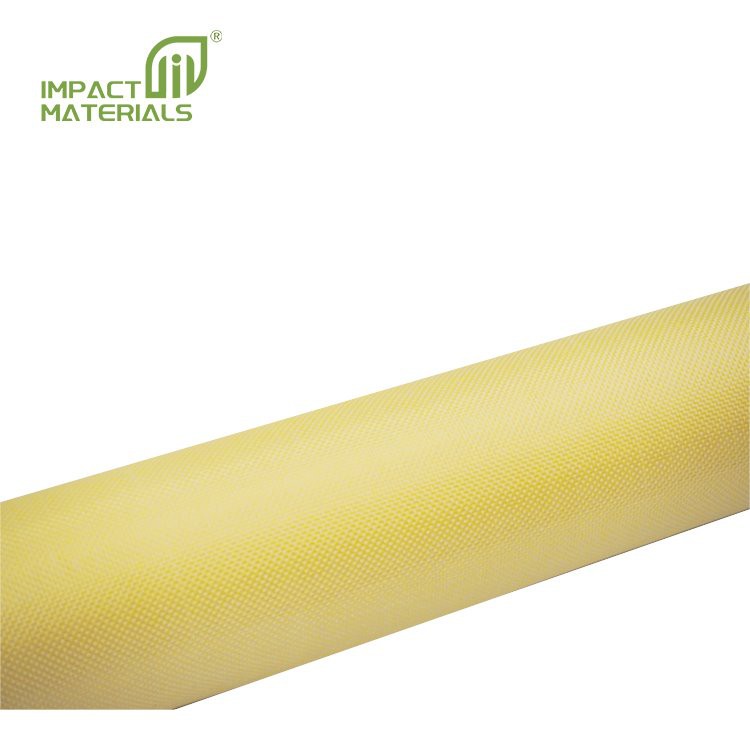
Explore the premium aramid fiber fabric offerings from Impact Materials, a trusted supplier serving manufacturers globally. More information is available at ictmaterial.com.
Assessing Economic and Performance Metrics
Durability and Financial Efficiency
Aramid fibers offer notable longevity and durability, which translates to decreased maintenance costs over time. Although the initial expense may be higher, the reduction in long-term operational costs justifies the investment, particularly in safety-critical sectors.
International Compliance and Testing Protocols
Ensuring compliance with international standards like ISO 9001 and ASTM D3039 is critical for validating material integrity. A Certificate of Analysis (COA) is essential for proving adherence to these standards. For applications involving extreme conditions, EN 2566 offers necessary guidelines for chemical and thermal resistance testing.
Need a custom solution? Our technical experts are ready to help.
Sourcing Aramid Fiber Fabric: Best Practices
Supplier Selection Criteria
When choosing a supplier, it is essential to evaluate their track record and certifications. At Impact Materials, our ISO 9001 certification and successful execution of over 3,200 projects demonstrate our reliability. Prospective buyers should ask about customization options, typical lead times, and minimum order quantities (MOQ), which are generally around 500 meters for standard fabrics.
Logistics and Global Reach
With a service area covering 120+ countries, Impact Materials ensures timely delivery through a robust logistics network. Typical lead times range from 4 to 6 weeks, depending on order specifications and destination. Our one-stop solutions streamline the procurement process from raw materials to finished products.
More Aramid Fiber Fabric Solutions
Discover additional aramid fiber fabric options to meet your specific project requirements.
[[COMPONENT_TABLE_1]]
Ready to Source Quality Composite Materials?
Impact Materials serves 120+ countries with 400+ product specifications. Get your custom quote in 24 hours.
Frequently Asked Questions
Which Certifications Are Crucial for Aramid Fiber Fabric Suppliers?
Ensure that suppliers possess ISO 9001 certification and can supply a Certificate of Analysis for product validation. Standards like ASTM D3039 are vital for confirming product performance.
For further insights into aramid fiber fabric solutions, visit Impact Materials.
